The hardest part of being productive isn’t knowing what to do. It’s actually doing it. Most of us are juggling work, chores, goals, and other bits of life that don’t stop coming. We already know the habits we should build and the tasks we keep postponing. But most productivity apps just list them out and hope we’ll feel motivated. Habitica takes a different route. Instead of telling you to be productive, it makes you want to. It doesn’t act like an app at all—it feels like a game. And that’s exactly what makes it work when others don’t.
How Habitica Works: Turning Tasks Into Quests
Habitica is a productivity app disguised as a role-playing game. When you open it, you create a character and then build your task list—organized into habits, dailies, and to-dos. Each task you complete gives your character rewards like gold, experience points, or gear. Neglect your tasks, and your character takes damage.
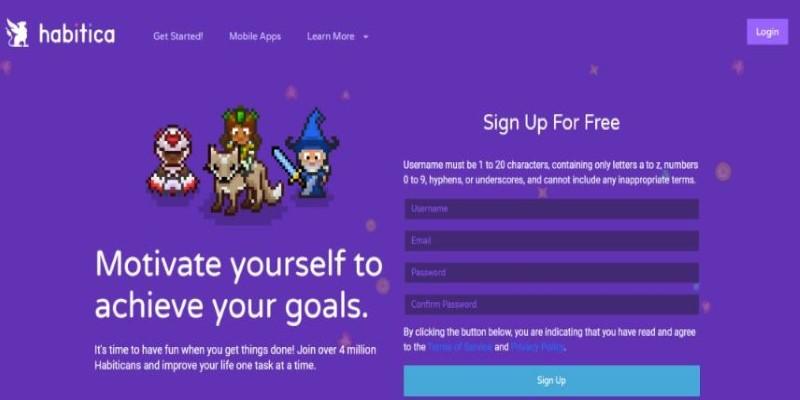
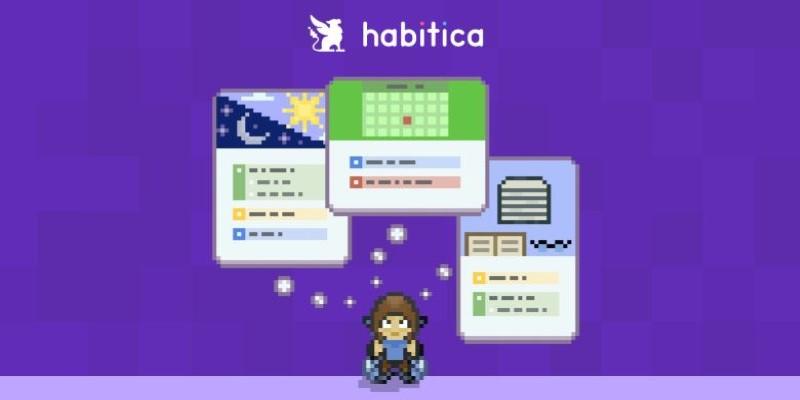
Habits are repeated actions, like reading for 10 minutes or standing up every hour. Dailies are recurring daily tasks—like taking vitamins or reviewing notes. To-dos are one-off items, like filing taxes or fixing a leaky faucet. Checking these off doesn’t just clean up your list; it builds your in-game progress.
There’s a simple feedback loop here: do something helpful in real life, and you’re rewarded in the game. That reward could be virtual—like armor or a pet—or something you choose for yourself, such as a real-world treat or break. The format works because it replaces the emotional heaviness of to-do lists with a quick sense of accomplishment.
Unlike apps that just track what you should be doing, Habitica adds a sense of purpose. Your character’s survival depends on your consistency. That turns even small tasks into something that matters, which keeps you coming back.
The Social Side: Accountability Without Pressure
Habitica becomes even more effective when you use its social features. You can join a party with friends or strangers and take on quests together. Everyone’s daily actions help defeat monsters, collect loot, and progress through missions. If someone skips their dailies, the whole group feels the consequences.
That shared responsibility adds a soft layer of accountability without making you feel micromanaged. It doesn’t come with guilt or shame—just a nudge to stay consistent for the sake of your team. This setup can be especially useful for people who thrive on external motivation.
Beyond parties, Habitica includes guilds and public challenges. Guilds are interest-based groups where users share advice and encouragement around specific goals, such as fitness, writing, or learning a new language. Challenges give you the option to join themed task sets created by others. Completing challenge tasks lets you earn in-game items and community respect.
This social layer brings an organic sense of belonging. It’s not forced or overwhelming. You can be as engaged or low-key as you like. But just knowing others are checking off the same goals can help keep yours in focus.
What Makes It Work: Habitica’s Hidden Psychology
Habitica doesn’t sell itself as a solution to all your problems. It doesn’t have sleek graphs or analytics dashboards. It just changes how your brain interacts with tasks. At the core of Habitica is a simple principle: people are more likely to act when they’re rewarded right away.
Most productivity systems ask for delayed gratification. You do the work now, and maybe someday it pays off. Habitica flips that. You take action now and immediately get something small—a level-up, a gold coin, a completed quest. That quick reward is often enough to keep you going.
The app also uses streaks and progress visuals to build momentum. When you see your avatar improving because of real-life habits, the connection becomes stronger. Your health or focus may not change overnight—but your character does, and that builds trust in the process.
This model helps people who struggle with attention, motivation, or executive function. Habitica creates a system where even the smallest effort counts. You don’t need to overhaul your routine at once. You can start with brushing your teeth and checking your inbox—and let that carry you forward.
You’re not judged by how much you do. You’re rewarded for doing something. That mindset helps reduce perfectionism, which often leads to burnout or avoidance in traditional productivity apps. There’s no penalty for starting small or pausing. Just pick up where you left off.
The app’s interface is basic, but that’s part of its strength. It doesn’t distract. It does what it’s supposed to do—and it’s easy to customize. If you want to automate or expand, there are plenty of third-party tools thanks to Habitica’s open-source roots.
Productivity Without the Pretension
Most productivity apps treat organization like a performance. They sell control and optimization, usually wrapped in minimal design and motivational slogans. Habitica doesn’t try to be inspiring. It’s not about aesthetics or quotes about hustle. It just makes boring tasks less boring.
You don’t need to be the most efficient version of yourself. You just need to do what you can today. And Habitica makes that feel like progress. Its game-like system encourages effort without shame. Whether you’re planning your week or just trying to shower and eat, it gives structure to things that often feel unstructured.
This low-pressure format helps people focus on consistency instead of perfection. You’re not trying to be flawless—you’re trying to stay alive in a silly pixel world. That shift creates enough distance to make daily tasks feel less overwhelming.
For many users, Habitica becomes more than a checklist. It becomes a space where tasks feel lighter and effort feels visible. The app doesn’t promise you’ll become a productivity guru. It just makes it easier to try.
Conclusion
Habitica won’t turn you into a superhuman. But it will make you care about drinking water because your pixel knight needs to stay in fighting shape. It’ll make you show up for a group quest because others are counting on you. And when you see your real-life consistency reflected in a character that grows stronger each day, it stops being just a game. It becomes a habit—one that sticks.