You’re not choosing a “best” box—you’re choosing what won’t break weeknights
Most meal kits fail in the same boring way: it’s 6:15 p.m., you’re hungry, and the recipe that looked “fun” at lunch now feels like a second job. You don’t need the “best” service on paper—you need the one that still works when you’re tired, the kitchen is messy, and you have 30–40 minutes, max.
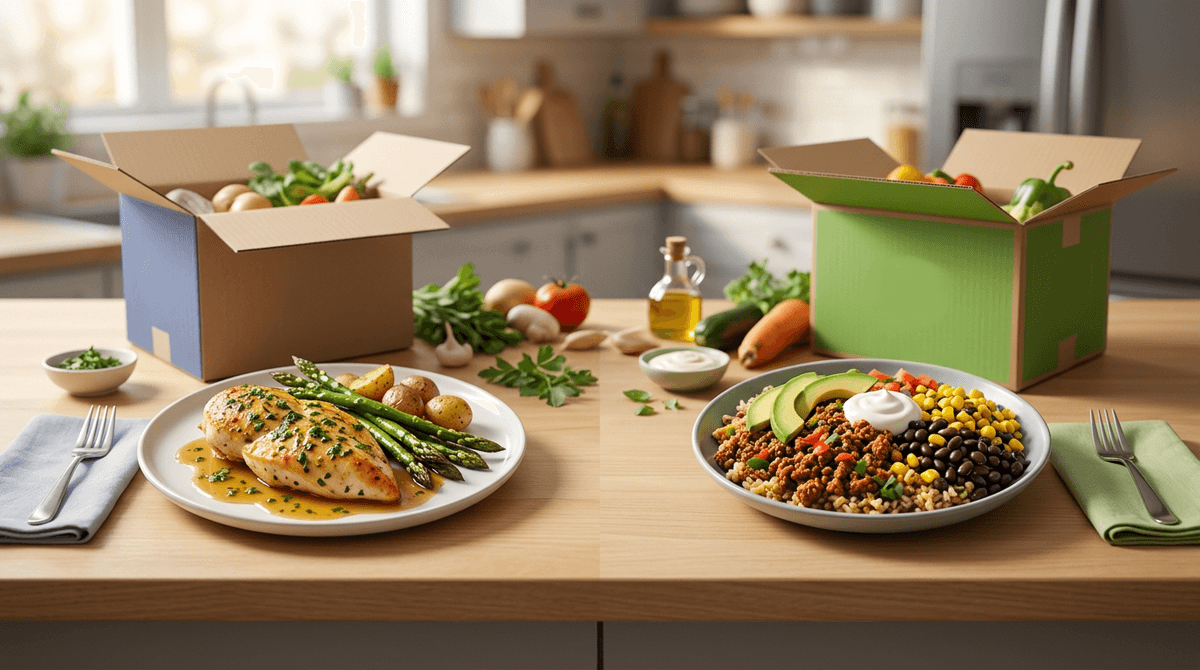
Blue Apron and HelloFresh can both deliver solid dinners, but they behave differently under pressure. Some nights you’ll want a familiar, crowd-pleasing plate; other nights you’ll accept a little extra prep for something that tastes more like a restaurant meal.
The catch is that the friction shows up after you subscribe: real prep time, ingredient prep, portion expectations, and the price once the intro deal ends. So the decision comes down to what typically breaks your weeknights—and which box avoids it.
When dinner has to happen fast: how each service behaves on a busy Tuesday
On a busy Tuesday, “30 minutes” usually means you need food on plates in 30 minutes, not a recipe that takes 30 minutes if you pre-chopped everything and read the steps twice. That’s where these two start to feel different. HelloFresh tends to get you to the finish line faster because the steps are straightforward and the flavors lean familiar—roasted meats, simple sauces, bowls, tacos—so you’re not stopping to decode technique.
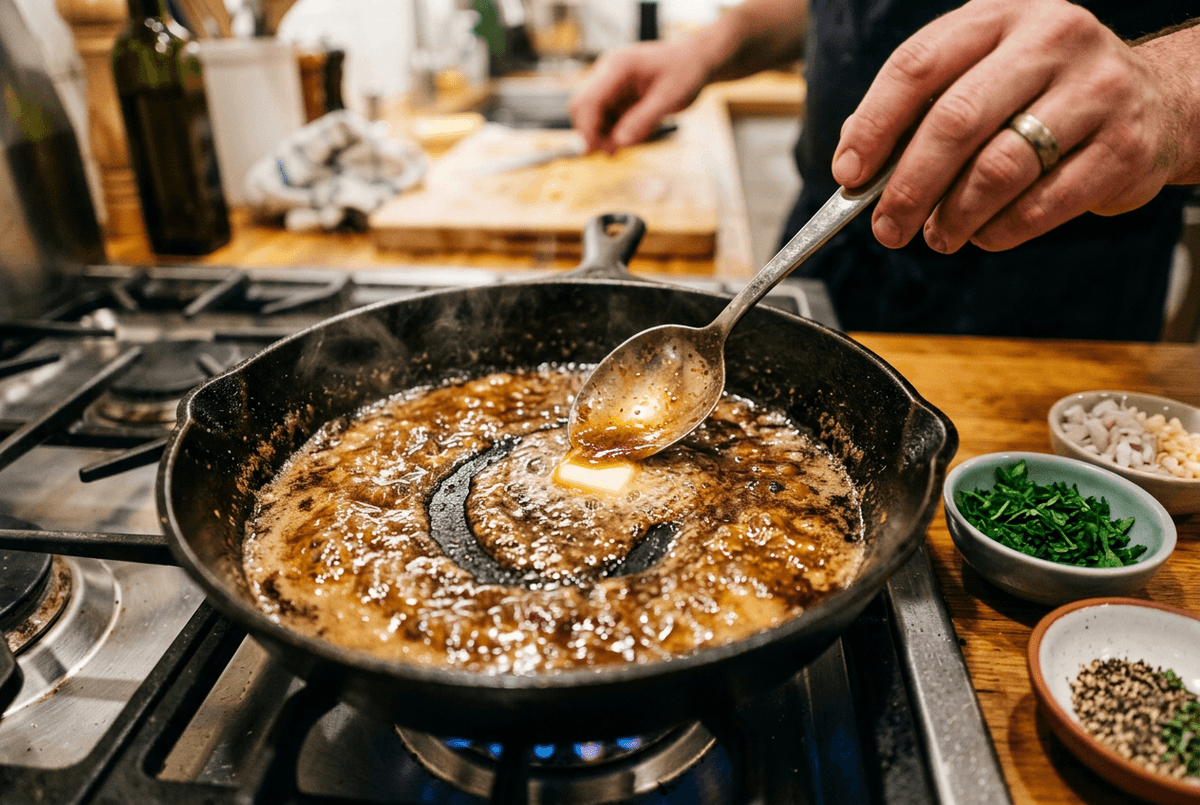
Blue Apron more often asks for a couple extra moves that pay off in taste: making a pan sauce, finishing with a compound butter, or juggling two components that need attention at once. If you’re comfortable moving quickly, it can feel like a “weeknight restaurant” upgrade. If you’re rushing, it can turn into the thing that pushes dinner to 7:10.
Either way, the real constraint is active prep. If you consistently need low-thought cooking, HelloFresh usually behaves better under pressure; if you can spare an extra 10 minutes sometimes, Blue Apron can feel more rewarding—just not always on Tuesday.
What you’ll crave by week three: flavor profiles and recipe variety fatigue
That “extra 10 minutes sometimes” matters more by week three, because the bigger issue stops being time and starts being what you’re actually excited to eat again. HelloFresh usually repeats a comfort-food lane: seasoning blends, creamy sauces, sweet-and-savory glazes, and lots of bowls, tacos, and skillet meals. If you’re feeding picky eaters, that consistency can be a win; if you like sharper flavors or lighter plates, it can start to blur together.
Blue Apron tends to rotate in more “cooked” flavor—brighter acids, more herbs, and techniques that change the finish, like pan sauces and crunchy toppings. That variety can keep you interested, but it also means you’ll hit weeks where a recipe sounds great and then feels fussy at 6:30 p.m.
If you already know you get bored fast, scan three weeks of menus before you commit. The pattern shows up quickly, and it’s easier to change boxes than to force yourself to cook meals you’re no longer craving.
If you’re not a confident cook, which box feels like help vs. homework?
That boredom check is also a skill check, because the meals you stop craving are often the ones that made you work too hard for the payoff. If you’re not a confident cook, “hard” usually looks like three pans going at once, timing meat and sides to finish together, or hitting a sauce texture you’ve never tried before while hungry people wait.
HelloFresh usually feels more like help because the path is predictable: fewer technique-heavy steps, more “cook this, roast that, mix this sauce” flow, and less pressure to nail a finish. You can still mess it up—overcooking chicken happens fast—and the meals can lean heavier, but the instructions rarely ask you to improvise.
Blue Apron can teach you faster, but it can also feel like homework on a rough night. When a recipe adds a pan sauce, a garnish, and a side that needs attention, you’ll spend more time rereading steps and cleaning up. If you want confidence through repetition, HelloFresh fits; if you want to level up and don’t mind occasional awkward runs, Blue Apron fits—then portions start to matter.
Portion reality check: full plates, leftovers, or ‘we still need a snack’?
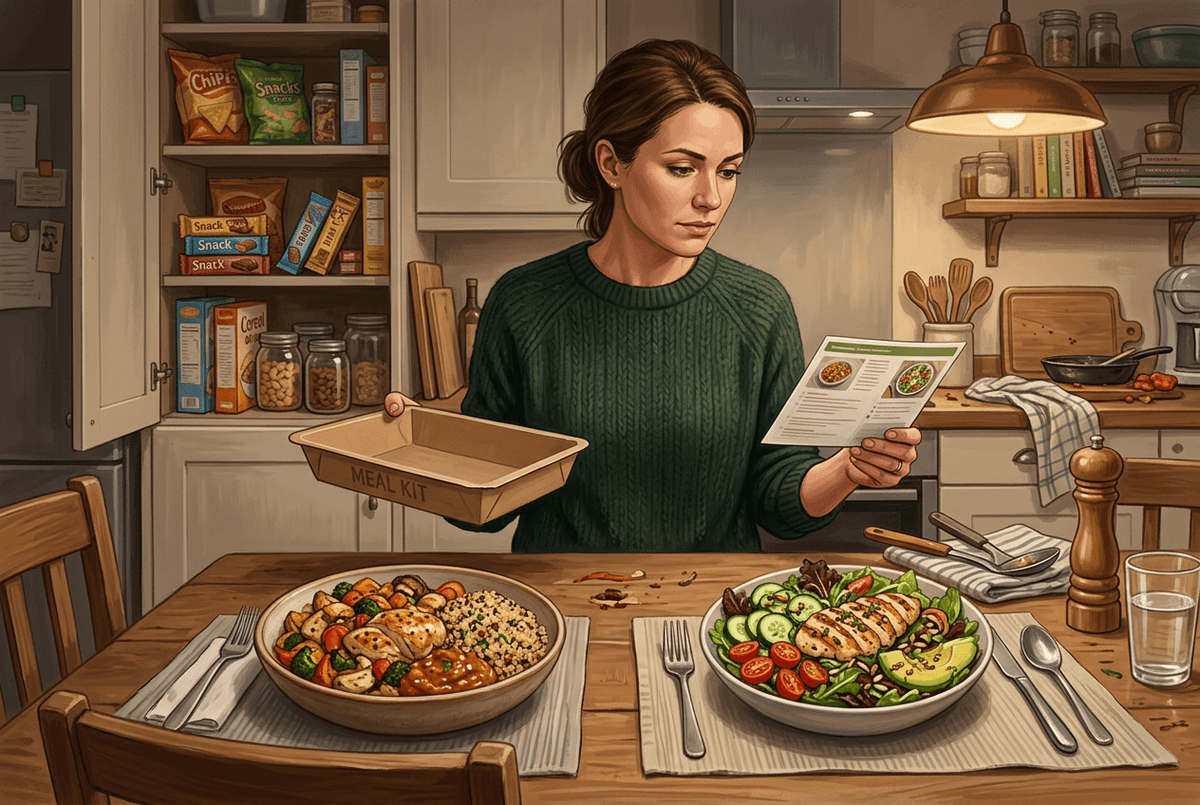
That “awkward run” shows up fast when you get to the table and realize the portion isn’t what you pictured. Most meal kits are designed around two adults, and both Blue Apron and HelloFresh can feel “just right” one week and a little light the next depending on the protein cut, how starchy the side is, and whether you’re used to restaurant portions.
HelloFresh often lands more filling because the plates skew toward bowls, pastas, potatoes, and saucier mains that eat bigger. If you’re feeding a teen, a partner with a big appetite, or you want leftovers for lunch, it’s the more reliable bet—until you hit a lighter salad-style dinner and the snack cupboard calls. Blue Apron portions can feel a touch more refined: great when you want a cleaner plate, less great if you expect extra servings.
The real-world annoyance is add-ons. If you start “fixing” portions with extra protein or a side salad every week, your cost and prep creep up. Before you subscribe, decide whether you want full-and-done or satisfied-but-light, because the calendar flexibility only helps if the meals actually carry you.
The calendar test: skipping weeks, delivery windows, and last-minute life changes
That calendar flexibility only helps if you can actually use it when life gets messy—late meetings, a surprise trip, a kid’s practice schedule shifting. In practice, both Blue Apron and HelloFresh make it easy to skip weeks in your account, but the real test is the cutoff: if you remember on Thursday that you’ll be out of town next week and your edit window already closed, you’re now managing a box you didn’t want.
HelloFresh usually fits people who need “set it and forget it” weeks because the cooking style is more forgiving if the delivery lands and you end up swapping nights. Blue Apron can be trickier if you picked meals that depend on your best 40 minutes—when the week goes sideways, those are the first recipes you push off.
Also plan for the annoying stuff: missed deliveries, warm-weather ice packs, and the cost of replacing pantry basics you assumed you had. Once you stop skipping and settle into a rhythm, the discount ends and the money picture gets real.
After the intro deal ends: what you’ll really pay (and where surprise costs hide)
Once you stop checking “promo applied” at checkout, the weekly total starts to feel less like a deal and more like a subscription you notice. Both Blue Apron and HelloFresh can land in a similar range per serving for standard plans, but the bill swings based on choices you make in the app: premium meals, extra protein upgrades, and add-ons that turn “dinner covered” into “dinner plus a few treats.” A single upgraded steak night can erase the savings you thought you were locking in.
The sneakier costs are the ones you pay outside the box. If HelloFresh meals keep you full, you’re less likely to buy extra sides—but if the menu nudges you toward creamy pastas and bowls, you might start adding a salad kit or fruit to balance the week. With Blue Apron, the issue is often the opposite: a lighter plate can push you to “top up” with bread, a side veg, or more protein, which adds both grocery spend and prep time.
Then there’s the stuff nobody advertises: pantry staples you keep replacing (oil, vinegar, butter, spices), the occasional ingredient swap when a produce item arrives tired, and delivery fees that make a skipped week feel expensive when you come back. If you’re cost-sensitive, pick a baseline budget per week and only allow upgrades on weeks you’d otherwise order takeout—because your first two full-price boxes are where the service either fits, or quietly overruns.
Your first two boxes: a quick scorecard to confirm you picked right
Those first two full-price boxes are your reality check, so treat them like a simple test, not a long-term commitment. After each meal, give yourself four quick scores: “actual time to plates” (set a timer), “how many times I reread steps,” “fullness at 9 p.m.,” and “would I pick this over easy takeout.” If HelloFresh keeps landing under 35 minutes and you feel calm, that’s the point. If Blue Apron regularly hits 45 and you still feel good about the result, that’s also a win.
Then scan what changed your bill: premium picks, protein upgrades, add-ons, and the pantry staples you had to replace. If you’re “fixing” portions with extra groceries, or avoiding recipes because they feel fussy, switch now while the habit is still forming. Your best box is the one you’ll actually cook on a rough Wednesday.